IPTV vs Cable TV: Which Is Better in 2026?
IPTV vs Cable TV: Which Is Better in 2026?
IPTV vs Cable TV in 2026
The television landscape has shifted dramatically. While millions of households still rely on traditional cable connections, internet-based broadcasting has grown into a mainstream alternative. If you are comparing IPTV vs cable TV in 2026, you are likely wondering which option offers the best value, reliability, and viewing experience for your home.
There is no single correct answer for everyone. The choice between IPTV or cable depends heavily on your budget, internet speed, the devices you own, and the specific channels you want to watch.
In this comprehensive comparison, we will explore how both technologies work, break down their differences, and help you decide whether traditional cable or a modern best IPTV USA provider is the right choice for your household.
What Is IPTV?
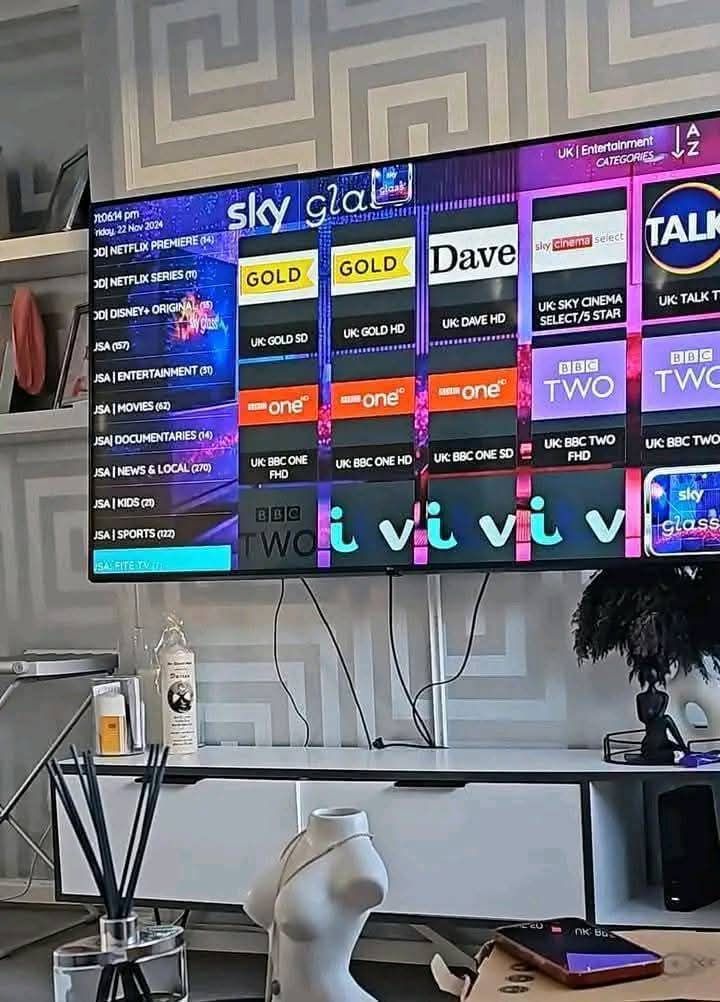
IPTV stands for Internet Protocol Television. Instead of receiving television signals through a satellite dish or a physical coaxial cable, an IPTV service delivers live television and on-demand content over your home internet connection.
Because it relies on the internet, IPTV provides immense flexibility. You can stream content using an application on various devices, meaning you are no longer tied to a single physical set-top box in the living room. However, it is important to remember that the term "IPTV" encompasses a wide variety of services—ranging from official apps provided by major networks to independent international providers. The quality and features of your experience will depend entirely on the specific service you choose.
What Is Cable TV?
Cable TV is the traditional television broadcasting method that has been dominant for decades. It delivers programming through a dedicated network of physical cables (usually coaxial or fiber-optic) directly to a set-top box in your home.
Unlike IPTV, traditional cable TV is a closed network. It does not rely on your home internet bandwidth to deliver the picture. Because the provider controls the entire delivery infrastructure from their hub to your television, they can offer highly consistent signal quality, traditional channel bundles, and access to local broadcast affiliates.
IPTV vs Cable TV: Quick Comparison
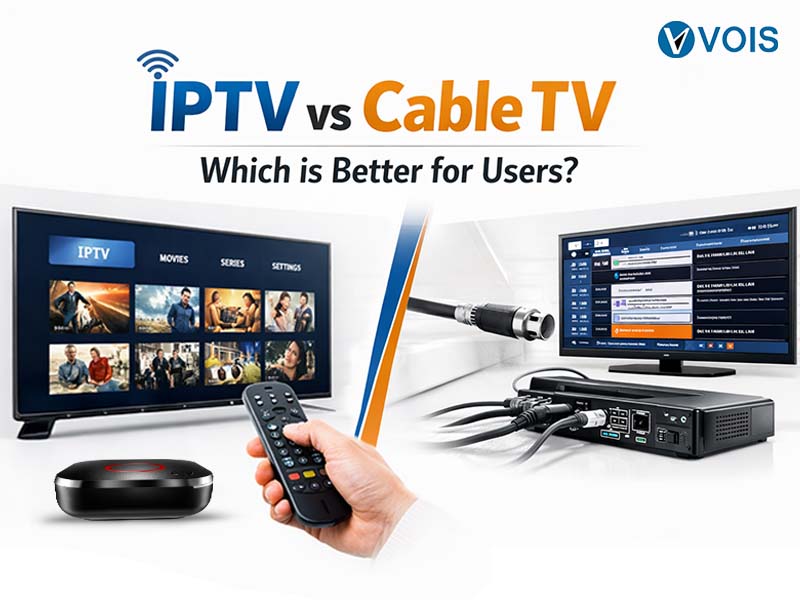 IPTV vs Cable TV Differences
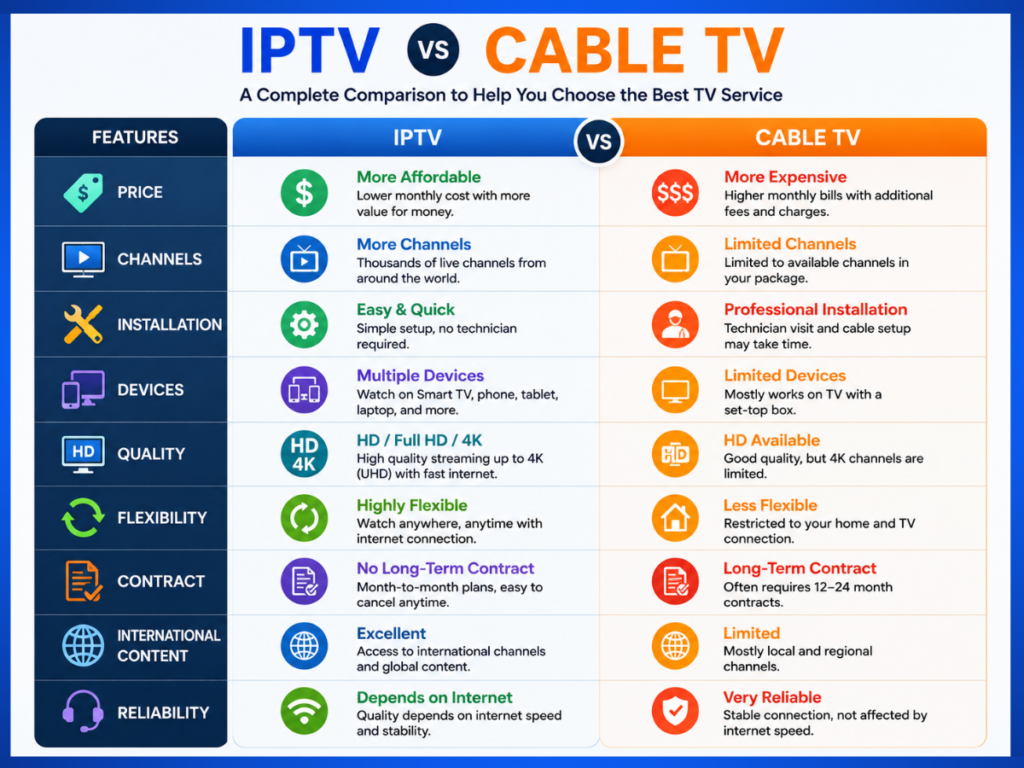
Before diving into the details, here is a quick overview of how the two technologies compare:
| Factor | IPTV | Cable TV |
|---|---|---|
| Delivery method | Internet-based | Cable infrastructure |
| Internet dependency | Yes | TV service itself generally does not depend on internet |
| Device flexibility | Often broader | Traditionally more TV/set-top-box focused |
| Installation | Internet/app-based depending on service | Provider installation/equipment may be required |
| Picture quality | Depends on service and connection | Generally consistent within service capabilities |
| Channel selection | Depends on provider | Depends on cable package |
| Live sports | Depends on provider/content rights | Often strong live sports availability |
| On-demand viewing | Often available depending on service | Available on many modern cable platforms |
| Cost | Varies by service | Varies by provider/package |
| User flexibility | Often high | Traditionally more structured |
IPTV vs Cable TV Cost in 2026
When evaluating cable TV alternatives, cost is usually the primary deciding factor.
Cable TV Costs
Cable providers typically bundle packages. While promotional pricing can be attractive, regular pricing often includes the base TV package, broadcast TV fees, regional sports fees, set-top box rental fees, and DVR fees. Many users find that their total monthly bill is significantly higher than the advertised base price.
IPTV Costs
An IPTV subscription is generally more transparent in its pricing structure. You pay a flat fee for the service itself. There are usually no equipment rental fees because you can use devices you already own (like a Smart TV). However, your total cost must factor in your home internet bill. If you need to upgrade to a faster internet plan to support heavy streaming, the total cost difference between IPTV and cable may narrow.
Channel and Content Selection
Both technologies deliver live TV, news, and entertainment, but they do it differently.
Cable TV packages are heavily localized. They guarantee access to your local news affiliates and regional sports networks, along with established national cable networks.
IPTV providers often focus on sheer volume and international variety. Depending on the provider, you might have access to thousands of channels from around the world, alongside massive libraries of VOD (Video on Demand) content. However, finding highly specific local channels can sometimes be more challenging depending on the service.
IPTV vs Cable TV for Live Sports
If you are a dedicated sports fan, this category requires careful consideration.
Cable TV remains a powerhouse for live sports. Because of established broadcasting rights, traditional cable ensures seamless access to local games, national broadcasts, and pay-per-view events without worrying about internet buffering during crucial moments.
IPTV can also be excellent for sports, particularly if you follow international leagues that are unavailable on your local cable network. However, streaming live sports over the internet requires a robust connection. During high-profile events, network congestion can sometimes cause delays or buffering.
IPTV vs Cable TV: Which Has Better Picture Quality?
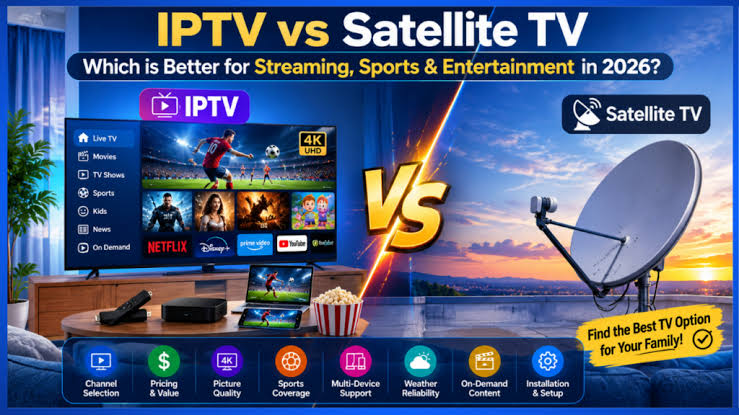 Streaming TV vs Cable Quality
The answer depends heavily on your environment.
Cable TV provides consistent, reliable picture quality (often in 720p or 1080i HD) because the signal is sent through a closed network that is unaffected by how many people are using the internet in your house.
IPTV can theoretically provide superior quality, including beautiful 4K streaming. However, achieving this quality requires an excellent internet connection. If your Wi-Fi is weak or your internet service provider throttles bandwidth, your IPTV player may downgrade the picture quality or buffer to compensate.
Does IPTV Require Faster Internet Than Cable TV?
Yes, absolutely. Because traditional cable uses its own dedicated infrastructure, you do not need internet access to watch it.
Streaming TV vs cable means that every television using IPTV in your home will consume internet bandwidth. To stream comfortably in HD, you need at least 15-25 Mbps of stable bandwidth per device. If you plan to stream in 4K, or if multiple family members are using the internet simultaneously, you will need a robust, high-speed connection (50 Mbps or higher) and a strong Wi-Fi router.
IPTV vs Cable TV: Which Works on More Devices?
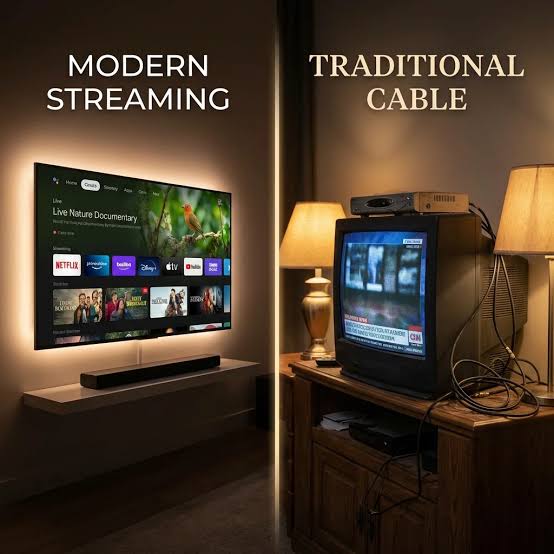 IPTV Compatible Devices
This is one of the strongest IPTV benefits. While cable companies have modernized by offering companion apps for smartphones and tablets, their primary delivery method still revolves around the living room set-top box.
IPTV is designed for flexibility. Depending on the service, you can watch your channels on:
- Smart TVs
- Android TV and Google TV
- Firestick and Fire TV
- Apple TV
- Smartphones and tablets
- Windows PCs and Macs
If you want to learn how easy it is to watch on your existing hardware, check out our guide on How to Set Up IPTV on Smart TV.
Installation and Setup
Cable TV often requires a professional technician to run wires, install wall outlets, and configure set-top boxes, though some providers now offer self-installation kits. Once installed, it is essentially plug-and-play.
IPTV is usually a DIY process. There are no wires to run or satellite dishes to mount. You simply connect your device to the internet, download a compatible media player, and enter the subscription credentials provided by your service. If you need help, you can review our Setup Guide.
Features and User Experience
Both platforms offer modern features, but they implement them differently.
Cable boxes provide a highly polished, unified experience. You get a reliable EPG (Electronic Program Guide), physical remote controls with familiar numeric keypads, and often a built-in DVR for recording live TV.
IPTV features depend on the application you choose to use. While most modern IPTV players offer EPGs, Catch-up TV, and VOD categories, the user interface can vary wildly. Some users love the ability to customize their app interface, while others prefer the standardized menu of a traditional cable box.
Is IPTV More Reliable Than Cable TV?
Reliability is arguably the strongest of the cable TV benefits. Assuming there are no severe storms or infrastructure failures, cable TV simply works when you turn it on.
IPTV introduces multiple potential points of failure. Your experience relies on the uptime of the IPTV provider's servers, the routing of your ISP (Internet Service Provider), the strength of your home Wi-Fi, and the processing power of your streaming device. If your internet goes down, your television goes down with it.
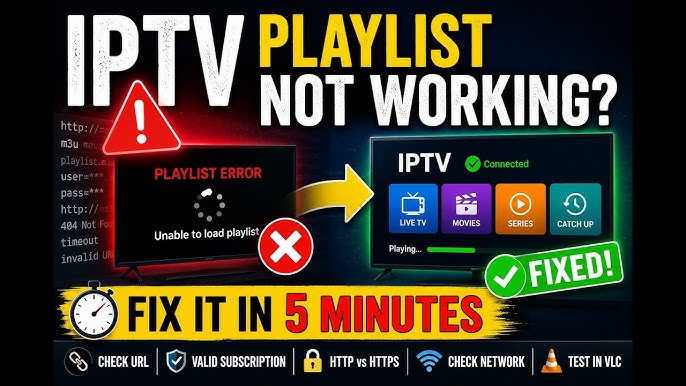
If you encounter issues with internet-based streaming, we offer extensive help, such as our M3U Playlist Troubleshooting Guide.
IPTV May Be Better If You...
- Want to avoid hardware rental fees and long-term contracts.
- Prefer watching TV on multiple devices like tablets, phones, and Smart TVs.
- Already possess a fast, highly reliable internet connection.
- Want access to a massive variety of international channels and VODs.
- Value flexibility and the ability to travel with your service.
Cable TV May Be Better If You...
- Have unreliable or slow home internet.
- Want absolute consistency without worrying about buffering.
- Need guaranteed access to highly localized news and regional sports networks.
- Prefer a system that requires zero technical maintenance.
- Can benefit from a provider bundle that includes home phone and internet services.
Where Does Omni IPTV Fit Into the Comparison?
If you decide that internet-based streaming fits your lifestyle (and know how to choose the best IPTV service), the Omni IPTV service is designed to provide a premium viewing experience.
The OmniPtv platform bridges the gap by offering an immense selection of live channels and VOD content across all major devices. We prioritize stream quality and reliability so that you can enjoy high-definition and 4K content without the heavy equipment fees associated with traditional cable.
Whether you are using a Firestick, an Android TV, or a Smart TV, our service is designed to be easy to install and simple to use. For details on affordable access, visit the OmniPtv Pricing page, or browse the OmniPtv Channel List to see the content variety available.
So, Which Is Better in 2026: IPTV or Cable TV?
In 2026, there is no undisputed champion.
Choose cable TV if you live in an area with poor internet infrastructure, if you demand 100% plug-and-play reliability, or if your household relies heavily on highly specific local broadcasts.
Choose IPTV if you have a strong internet connection, want to reduce hardware clutter, and desire the freedom to watch thousands of channels on any device in your home.
If flexibility, immense content libraries, and modern viewing on your own terms appeal to you, then streaming is the clear path forward. Explore the capabilities of Omni IPTV today, and if you have any questions about getting started, our team is always ready to help via our Contact page or our extensive FAQ section.
Frequently Asked Questions
Conclusion
Deciding between IPTV vs cable TV ultimately comes down to your home infrastructure and viewing habits. While traditional cable provides familiar reliability, internet-based television represents the future of flexible entertainment. By evaluating your internet speed and content preferences, you can make the right choice for your household.
If you are ready to make the switch to a modern streaming experience, OmniPtv provides the premium quality, massive channel selection, and wide device support needed to upgrade your home entertainment system.